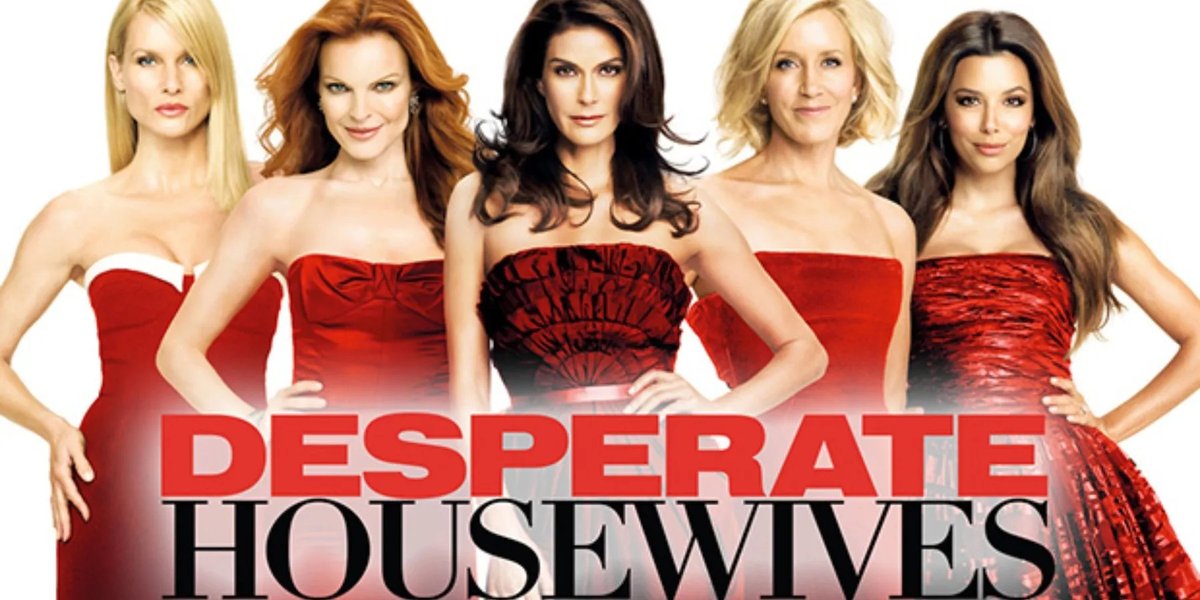
Ever wondered what really went down behind the manicured lawns and perfectly painted fences of Wisteria Lane, especially during its pivotal third season? Dive deep into the captivating world of Desperate Housewives Series 3 Trivia & Behind-the-Scenes, and you’ll discover that the drama on screen was often just as vibrant as the real-life ingenuity that brought it to life. This isn't just a stroll down memory lane; it’s your exclusive backstage pass to the secrets, surprises, and strategic decisions that shaped one of television's most beloved and groundbreaking shows.
Prepare to uncover filming secrets, character inspirations, and the sheer grit it took to keep the suburban facade sparkling amidst real-world challenges. From surprising casting choices to ingenious camera work, we're pulling back the curtain on the creative alchemy that made Desperate Housewives an undeniable pop culture phenomenon.
At a Glance: Wisteria Lane's Hidden Gems
- Marcia Cross's Pregnancy: A major Series 3 production challenge, handled with clever camera angles and plot adjustments.
- Wisteria Lane's Rich History: The iconic set was a veteran long before Desperate Housewives, hosting classic shows and even a music video.
- Casting Surprises: Actresses like Felicity Huffman initially hesitated, while Eva Longoria was the first cast and instrumental in shaping her character.
- Creator's Evolving Vision: Marc Cherry's original concept for the show was a lighter, half-hour comedy before it bloomed into the hour-long drama we know.
- Character Inspiration: Bree Van de Kamp, in particular, drew heavily from Marc Cherry's own mother, shaping her perfectionist persona.
- Show's Record-Breaking Success: From its pilot viewership to its impressive 8-season run with an all-female lead cast, Desperate Housewives was a consistent hit.
- The Unpredictability Factor: A staggering 52 characters were written off or killed, keeping audiences perpetually on edge.
Wisteria Lane's Enduring Allure: More Than Just a Pretty Set
The fictional street of Wisteria Lane isn't just a set; it's practically a character in itself, laden with its own storied past long before the Desperate Housewives moved in. This meticulously crafted neighborhood, with its picturesque homes and perfectly manicured lawns, has been a silent witness to decades of television history. Built way back in 1946 on the Universal Studios lot, it served as the backdrop for countless tales, from the wholesome family antics of "Leave it to Beaver" to the gothic humor of "The Munsters."
Imagine the weight of all those narratives embedded in its very asphalt. Even in more recent memory, its charm proved irresistible beyond scripted television; you might have even spotted it in Kelly Rowland and Nelly's iconic music video for "Dilemma." The fact that such a historic, recognizable location could be so completely transformed into the distinct world of Desperate Housewives speaks volumes about the show's design team and its ability to infuse new life into existing spaces. For viewers, the iconic Wisteria Lane wasn't just scenery; it was a character, a container for secrets, and a symbol of the suburban dream—and nightmare.
From Concept to Phenomenon: Marc Cherry's Vision Takes Flight
Every groundbreaking series starts with an idea, but few undergo such a significant metamorphosis from their initial spark to their ultimate form as Desperate Housewives. Creator Marc Cherry first envisioned a much lighter, half-hour comedy. Picture that for a moment: a snappy, perhaps even cynical, take on suburban life. However, as the concept developed, it organically stretched its narrative muscles, evolving into the hour-long drama with more serious, poignant dialogues that ultimately became its hallmark. This creative pivot was instrumental in securing its widespread appeal and significant success, allowing for deeper character dives and complex storylines that a sitcom format simply couldn't accommodate.
From the moment it premiered, the show was an undeniable hit. The pilot episode alone captivated 21.3 million viewers, an astounding number for a new series. This initial buzz only grew stronger, with the show's explosive first season finale setting another record, pulling in an astonishing 30 million viewers on its first airing. That kind of immediate and sustained engagement doesn't happen by accident; it's a testament to the show's compelling premise, sharp writing, and captivating cast. It's no wonder that this early success paved the way for an impressive eight-season run, cementing its place in television history as a dominant force in the 2000s comedy-drama landscape.
Interestingly, the journey to its now-famous title was also an evolutionary one. Before settling on the evocative "Desperate Housewives," other titles were considered, including "The Secret Lives of Housewives" and "The Secrets of Wisteria Lane." While these alternatives hint at the show's core themes, "Desperate Housewives" ultimately captured the essence of its characters' underlying yearning and the darker comedic edge that defined the series.
Casting Chemistry: The Desperate Housewives Who Almost Weren't
The perfect ensemble cast can make or break a show, and Desperate Housewives struck gold with its quartet of leading ladies. Yet, the path to finding these iconic actresses was filled with surprising twists and turns, illustrating the serendipity and persistence often required in Hollywood casting.
Take Felicity Huffman, who brought the perpetually harried yet fiercely loyal Lynette Scavo to life. Initially, Huffman resisted auditioning for the role. It’s hard to imagine anyone else embodying Lynette’s unique blend of ambition, exasperation, and boundless love for her chaotic family. But once she did step into the audition room, producers were immediately won over, recognizing her undeniable talent and perfectly suited demeanor for the part. Her reluctance turned into destiny, providing the show with one of its most nuanced and relatable characters.
Similarly, the portrayal of Lynette and Tom Scavo’s marriage was a deliberate, strategic choice by the show's creators. While original scripts for season one toyed with the idea of Tom cheating, the team ultimately decided against it. Their reasoning was simple yet profound: amidst the constant chaos, betrayals, and dramatic upheavals on Wisteria Lane, they wanted to present Lynette and Tom's relationship as a stable, enduring constant. This decision allowed their marriage to serve as an anchor, a beacon of (relative) normalcy that viewers could consistently root for, providing a grounded counterpoint to the more volatile relationships surrounding them. This commitment to their dynamic contributed significantly to Lynette and Tom's enduring relationship becoming a fan favorite.
On the other end of the spectrum was Eva Longoria, who was actually the very first actress cast for the series, stepping into the high heels of Gabrielle Solis. Her casting was swift, but the development of her character was a collaborative process. Gabrielle was initially conceived as a rather shallow "trophy wife," a one-dimensional character often seen in similar dramas. However, Longoria, with her keen understanding of the character's potential, actively worked with the writers to flesh out Gabrielle. She imbued her with depth, resilience, and a surprising set of values beneath the designer clothes and sarcastic wit, transforming her into a strong, multifaceted individual. This collaborative evolution was key to Gabrielle Solis's transformation from a stereotype into a complex and beloved character who resonated deeply with audiences.
Series 3 Under the Microscope: The Pregnancy Plot Twist & Creative Cover-Ups
Season three of Desperate Housewives was a pivotal moment for Bree Van de Kamp, as her meticulously crafted world began to unravel in increasingly dramatic ways. But behind the scenes, the show faced a very real and delightful challenge: Marcia Cross, the brilliant actress who brought Bree to life, was pregnant. This wasn't a minor detail; it was a full-blown production puzzle that required significant creative camera work and plot adjustments to keep Bree’s storyline — and Cross’s character — central without explicitly integrating the pregnancy into the narrative, at least not initially in a straightforward way.
For dedicated fans watching Series 3, you might recall Bree suddenly favoring voluminous clothing, strategically placed objects like large handbags or flowers, and scenes that frequently placed her sitting behind counters or large pieces of furniture. Directors and cinematographers became masters of illusion, employing tight shots that framed Cross from the chest up or carefully positioned other actors to obscure her growing baby bump. When a full-body shot was unavoidable, they sometimes resorted to body doubles or filmed Cross from a distance, relying on the clever editing to maintain the illusion.
Eventually, the production team decided to incorporate Cross's pregnancy into the storyline, but with a twist that only Desperate Housewives could deliver. Bree's character, known for her prim and proper demeanor and her strong moral compass, found herself in a faux pregnancy storyline to cover for her teenage daughter, Danielle. This inventive solution not only addressed the practical filming challenge but also injected a new layer of delicious, scandalous drama into Bree's already complicated life, perfectly aligning with Bree Van de Kamp's intricate character arc of maintaining appearances at any cost.
It’s a testament to the show's writing team and Cross’s commitment that this significant real-life event was seamlessly woven into the fictional tapestry of Wisteria Lane. Bree’s character itself was, quite famously, inspired by producer Marc Cherry’s own mother. Cherry often spoke of his mother’s strength, her impeccable cooking skills, and her unwavering perfectionism – traits that became the very essence of Bree Van de Kamp. This personal inspiration grounded Bree in a realism that made her eccentricities all the more compelling, and the pregnancy storyline, however convoluted, added another fascinating layer to her intricate personality.
The Art of the Unexpected: Why Wisteria Lane Kept Us Guessing
One of the defining characteristics of Desperate Housewives was its audacious unpredictability. Just when you thought you had a handle on the suburban drama, the show would pull the rug out from under you with a shocking reveal, a sudden tragedy, or an unexpected departure. This commitment to keeping audiences on their toes was so profound that, throughout its eight-season run, a staggering 52 characters were written off or killed through various deaths or accidents.
This high turnover wasn't just for shock value; it was a narrative tool that underscored the precariousness of life on Wisteria Lane. No character, not even a main one, was truly safe. From unexpected murders to tragic accidents and characters simply vanishing, this constant threat added an extra layer of tension to every episode. It fostered a sense of genuine investment and anxiety in viewers, ensuring that every plot twist felt earned and impactful. The series masterfully used these dramatic exits to propel new storylines, introduce fresh mysteries, and deepen the emotional stakes for the remaining residents, solidifying its reputation as a show that dared to go where others wouldn't.
Behind the Laughter and Tears: The Show's Unprecedented Legacy
Beyond the individual storylines and character arcs, Desperate Housewives carved out a unique and enduring legacy in television history. It wasn't just a hit; it was a record-setter, demonstrating the power and appeal of complex, female-led narratives. The show proudly holds the distinction of being a series with an all-female lead cast that ran for an impressive eight seasons, totaling 180 hour-long episodes. In an industry often criticized for its gender disparities, this was a significant achievement, proving that stories centered around women could command massive audiences and sustain long, successful runs.
What’s even more remarkable is that the show's ratings didn't just peak and then decline. They consistently held strong, and in many instances, even increased throughout its run, a rare feat in the fickle world of television. This sustained popularity is a testament to the show's ability to evolve, to introduce new mysteries, and to keep its core characters compelling. It successfully balanced comedy with dark drama, witty dialogue with heartfelt emotion, creating a genre-blending experience that resonated with millions globally. Desperate Housewives didn't just entertain; it sparked conversations about female agency, suburban malaise, and the secrets we keep behind closed doors, leaving an indelible mark on the cultural landscape.
Your Backstage Pass to Wisteria Lane: Quick Bites of Trivia
- Who was the last of the core housewives to be cast? While Eva Longoria was first, and Felicity Huffman initially hesitant, the casting process took time. Marcia Cross for Bree was a later, but ultimately perfect, addition, completing the core four.
- Did the actresses get along off-screen? Like any long-running show with a large ensemble, there were reports of both strong friendships and occasional tensions. However, publicly, the main cast often expressed mutual respect and professional admiration for each other's work.
- Were there any guest stars who went on to become huge stars? Absolutely! Before becoming a household name in Modern Family, Jesse Tyler Ferguson appeared in a guest role. Laurie Metcalf, already a celebrated actress, also had a memorable arc as Carolyn Bigsby.
- How much of the show was filmed on location vs. a studio? While the Wisteria Lane street set provided the exterior backdrop for most of the show, many interior scenes were filmed on soundstages at Universal Studios, allowing for greater control over lighting, sound, and set design.
- Was the show controversial? Yes, often. Its themes of infidelity, murder, and dark humor combined with its provocative title sparked debate, but also drew significant attention and critical discussion.
Reflecting on Series 3 and Beyond: Why the Desperation Endures
Revisiting Desperate Housewives Series 3 isn’t just a nostalgic trip; it’s an opportunity to appreciate the intricate craftsmanship and creative problem-solving that went into delivering a show of this caliber. From Marcia Cross’s cleverly concealed pregnancy to the deliberate character arcs and the iconic setting of Wisteria Lane, every detail contributed to its enduring appeal. The show taught us that beneath the pristine facade of suburbia, human desires, flaws, and secrets simmer, creating a potent mix of comedy and drama that continues to captivate.
If you’re keen to revisit the pivotal moments, the dramatic turns, and the brilliant performances that defined this period, diving back into Desperate Housewives Series 3 offers a fresh perspective. You’ll not only re-experience the on-screen magic but also gain a deeper appreciation for the behind-the-scenes ingenuity that ensured the show remained a cultural touchstone. So, whether you're a long-time fan or a curious newcomer, Wisteria Lane is always open, ready to reveal its charming, dark, and utterly desperate secrets.